Fall Houseplant Care: Moving Plants Indoors for Winter
There’s a particular kind of light that shows up in September — lower in the sky, softer through the curtains — and your houseplants notice it before you do. As daylight hours shrink and outdoor temperatures start to dip, plants that spent summer basking on a patio or windowsill need a few adjustments to make the transition smoothly. Get it right now, and you’ll avoid the yellow leaves, root rot, and pest surprises that tend to show up in October.
Here’s a practical, no-nonsense guide to helping your plant collection settle into cooler, darker months.
Bring Outdoor Plants In Before the First Chill
Many popular houseplants — pothos, philodendron, snake plant, even some succulents — enjoy a summer vacation outside, but most tropical species start to suffer once nighttime temperatures drop below 50°F (10°C). Don’t wait for a cold snap to catch you off guard. A good rule of thumb: bring plants indoors once overnight lows are consistently forecast in the mid-50s, even if daytime temperatures still feel warm.
Before you bring anything inside, give it a once-over for hitchhikers. Aphids, spider mites, and slugs love to ride into your living room on a plant that looks perfectly healthy. A gentle rinse of the leaves (top and underside) and a quick check of the soil surface and drainage holes can save you a pest outbreak in your whole collection later.
Adjust Your Watering Schedule
This is the change most people forget. Shorter days and cooler indoor temperatures mean slower growth, and slower growth means your plants are drinking less water than they were in July. Overwatering during this transition is one of the most common ways houseplants decline in fall — root rot rarely announces itself until the damage is done.
- Check soil moisture with a finger (or a moisture meter) before watering, rather than sticking to a fixed schedule.
- Let the top 1-2 inches of soil dry out between waterings for most tropical plants.
- Reduce fertilizing — most houseplants slow their growth in fall and winter and don’t need the same feeding schedule as spring and summer.
Chase the Light
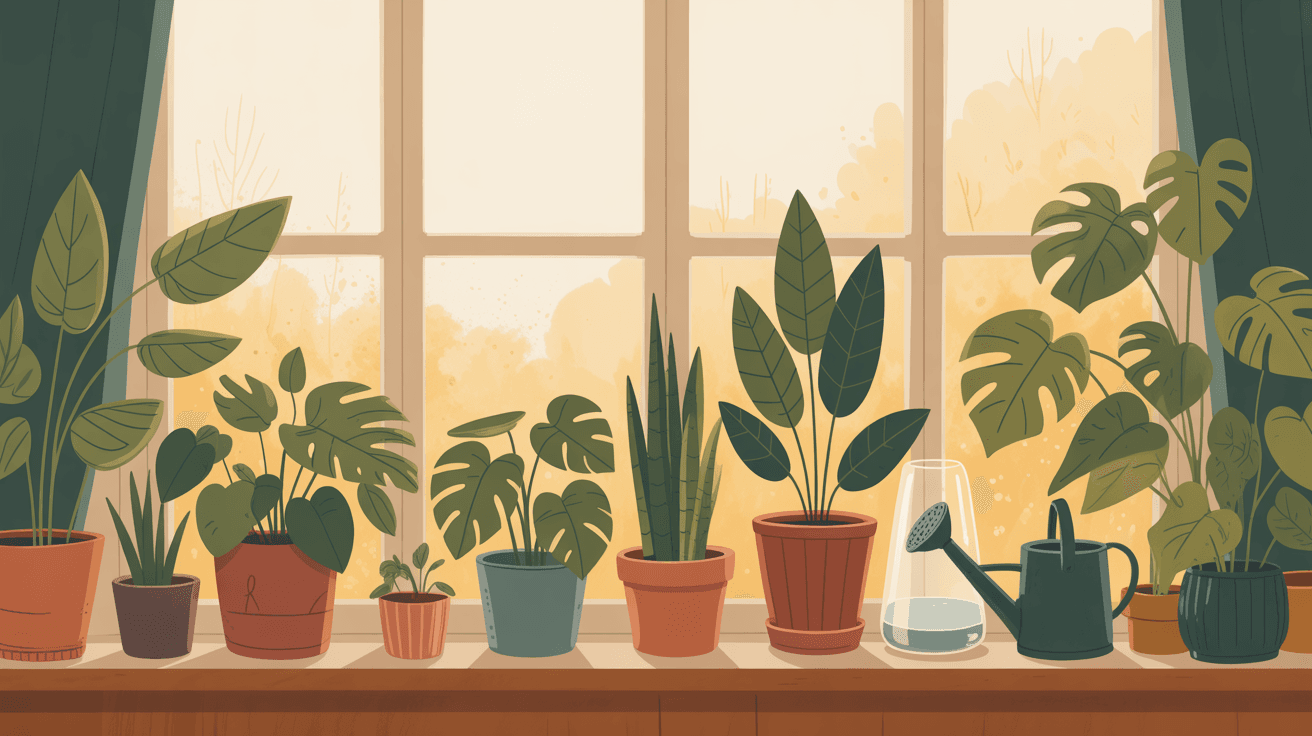
As the sun’s angle drops, a spot that was bright and indirect in June might be dim and shadowy by November. Walk around your space at different times of day and notice where the light actually falls now — it’s probably shifted. Plants that want bright indirect light may need to move closer to a south- or west-facing window for the darker months, and it’s worth wiping dust off leaves regularly, since dusty foliage blocks even more of the already-reduced light.
If a room genuinely doesn’t get enough natural light in winter, a simple grow light on a timer can make a real difference for light-hungry plants like fiddle leaf figs, citrus, or flowering species.
Watch Humidity Levels
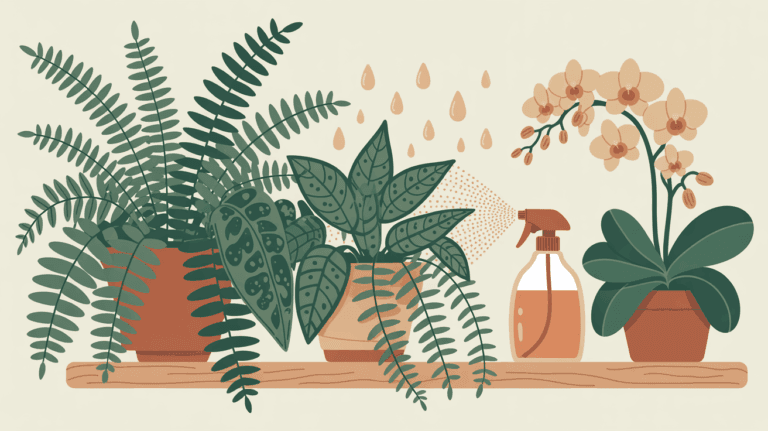
Once heating systems kick on, indoor air dries out fast — often more than most tropical houseplants are comfortable with. Grouping plants together, using a pebble tray, or running a small humidifier near humidity-loving plants (ferns, calatheas, orchids) can help prevent crispy leaf edges as the season progresses.
Give Everyone a Little Space
Plants that spread out on a patio or balcony all summer are suddenly competing for windowsill real estate indoors. Crowded plants get less airflow and more shared pests, so take this seasonal shuffle as a chance to reassess: does everything still have room to breathe? Could a plant stand or a hanging planter free up space and improve air circulation?
Frequently Asked Questions
When exactly should I bring my plants indoors for fall?
Aim to bring tropical and tender plants inside once nighttime temperatures are forecast to consistently dip into the mid-50s°F (around 10-13°C). Waiting for an actual frost warning is usually too late for cold-sensitive species.
Why are my plant’s leaves turning yellow after I moved it indoors?
Some yellowing and even minor leaf drop is a normal stress response to a change in light, humidity, and airflow — plants that were adjusted to bright outdoor conditions need time to acclimate to an indoor environment. As long as new growth looks healthy and you’ve adjusted your watering to match the plant’s slower pace, this usually resolves within a few weeks.
Do all houseplants need less water in fall and winter?
Most do, since shorter days and cooler temperatures slow growth for the majority of common houseplants. However, this varies by species and by your home’s specific conditions (heating, humidity, light), so always check the soil directly rather than assuming every plant follows the same timeline.
This article was drafted with AI assistance and reviewed and edited by the Potted & Proud team before publishing.
While you’re getting your plant shelf cozy for the season, it might be the perfect time to add a little personality to your own wardrobe, too — our houseplant-themed tees and gifts at Potted & Proud make a fun treat for yourself or the plant person in your life as the weather turns.