Winter Dormancy: What Your Houseplants Really Need
Somewhere around late autumn, most houseplants quietly shift gears. Growth slows, new leaves take longer to unfurl, and a plant that was pushing out foliage every week in July might go a month without doing much of anything. That’s not a problem to fix — it’s dormancy, and understanding it is the difference between a houseplant collection that sails through winter and one that limps into spring looking tired.
Dormancy is driven mostly by light. Shorter days and a lower sun angle mean even a bright window delivers a fraction of the light intensity it did in summer. Plants respond by conserving energy: slower growth, fewer new leaves, and sometimes a temporary pause in flowering. Here’s what to actually change about your care routine while that’s happening.
Ease up on watering
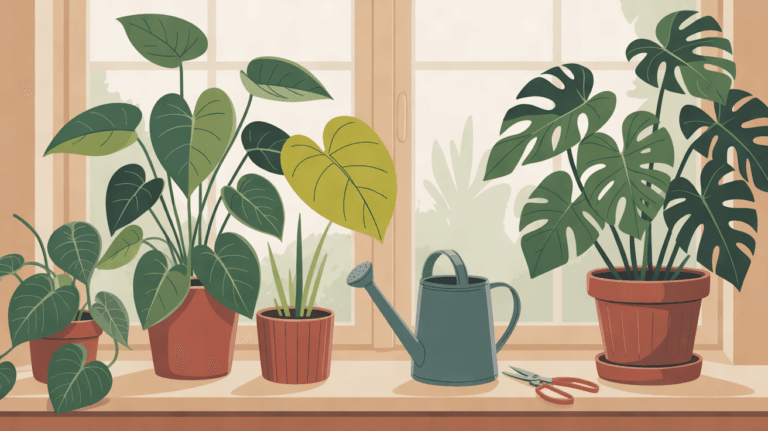
Slower growth means slower water use. A plant that dried out in five days during summer might take ten or more now, and watering on the old schedule is one of the fastest routes to root rot in winter. Instead of watering by the calendar, check the soil directly — stick a finger an inch or two down, or lift the pot to feel its weight. Water when it’s genuinely dry, not when the date on your phone says it’s time.
Stop (or nearly stop) fertilizing
Fertilizer is fuel for growth, and a dormant plant isn’t growing much to fuel. Feeding on a summer schedule through winter doesn’t speed anything up — it just lets unused salts build up in the soil, which can burn roots and show up as crispy leaf edges. Most houseplants are happy with no fertilizer at all from late autumn through late winter, resuming at quarter- or half-strength once you see new growth picking back up in spring.
Chase the light instead of fighting it
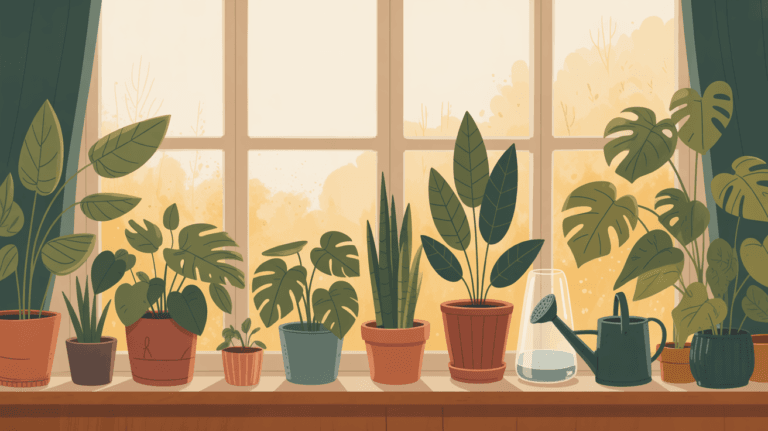
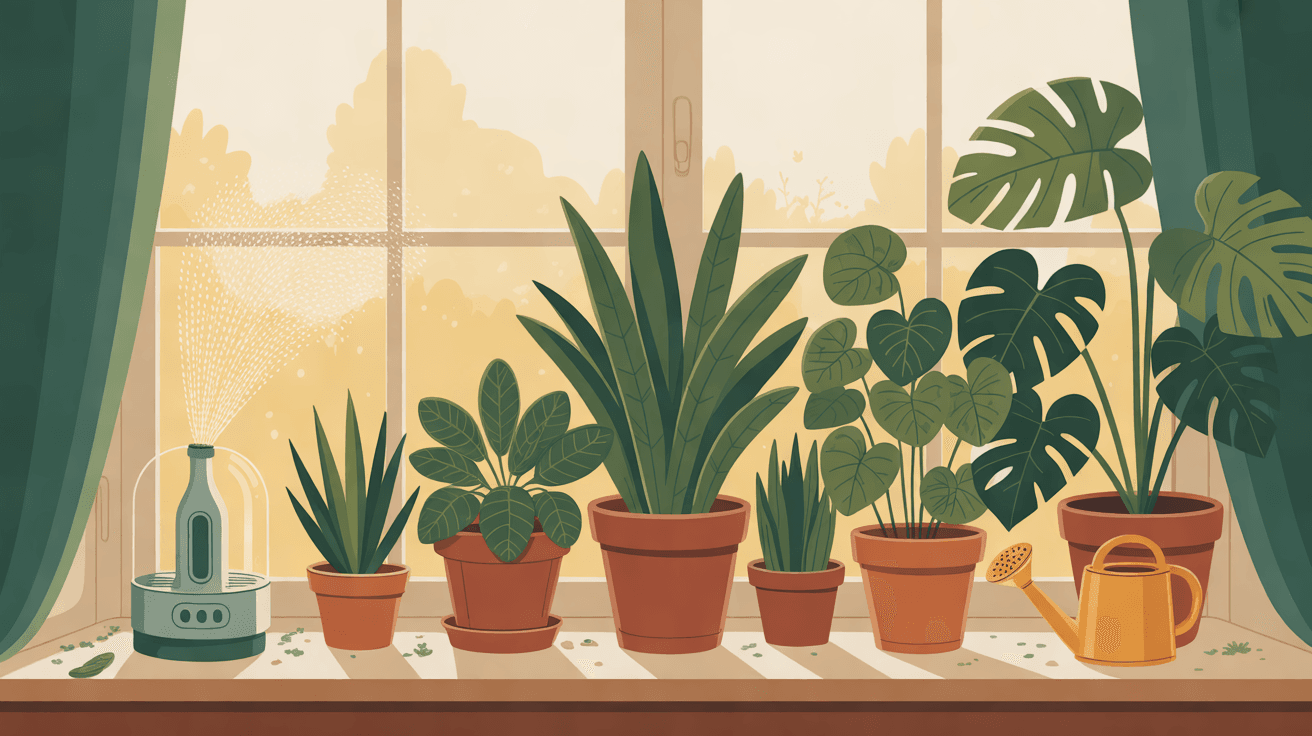
If a plant lived happily a few feet back from a south-facing window in summer, it may need to move right up to the glass in winter to get comparable light. Rotate pots occasionally so growth doesn’t lean permanently toward the light source, and keep leaves free of dust — a dusty leaf surface blocks a surprising amount of already-scarce winter light. If a space is genuinely too dim, a basic grow light on a timer is far cheaper than slowly losing a plant to etiolation.
Watch humidity, not just temperature
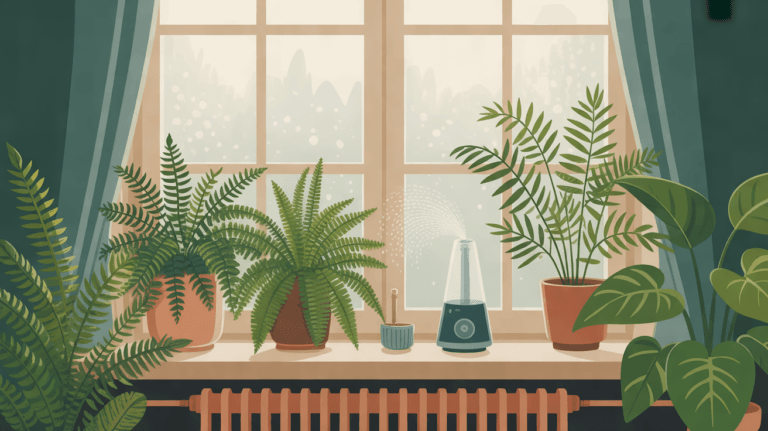
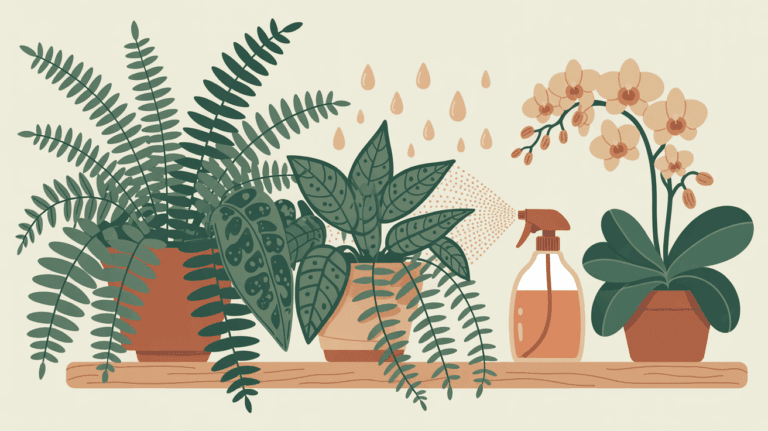
Indoor heating systems pull moisture out of the air fast, and the resulting dryness stresses tropical plants even when the thermostat reads a comfortable temperature. Crispy leaf tips, browning edges, and increased spider mite activity are classic signs that the air around a plant has gotten too dry. Grouping plants together, running a small humidifier nearby, or setting pots on a pebble tray with water can all help bridge the gap between a heated room and the humid environment many houseplants evolved in.
Keep an eye out for pests
Dry indoor air and stressed plants are exactly what spider mites and mealybugs look for. Dormancy doesn’t pause pest problems, so it’s worth doing a quick check under leaves and along stems every week or two — catching an infestation early, while a plant’s defenses are already lower than usual, makes treatment much easier.
None of this means winter care is hands-off. It just means the goal shifts from pushing growth to helping a plant conserve energy comfortably until the light returns. A little patience now usually pays off as a flush of fresh growth once days start lengthening again.
Frequently Asked Questions
Should I repot a dormant houseplant in winter?
Generally, no. Repotting disturbs roots and works best when a plant has the energy to recover and grow into fresh soil — conditions that line up with spring, not winter dormancy. Unless a plant is root-bound to the point of real distress or the pot is damaged, it’s worth waiting.
Why do my plant’s leaves look duller in winter?
Lower light levels alone can make foliage look less vibrant, since the plant isn’t producing new, glossy growth as quickly. Dust buildup and dry air can also mute leaf color — a gentle wipe-down and a humidity check are worth trying before assuming something is wrong.
Is it normal for a houseplant to drop a few leaves in winter?
Losing the occasional older or lower leaf during winter is usually normal housekeeping as the plant redirects limited energy. Frequent, rapid leaf drop across the whole plant is more likely a sign of overwatering, cold drafts, or a sudden light change worth investigating.
This article was written with AI assistance and edited by the Potted & Proud team. If you’re the kind of plant person who’s already rearranging pots by the window right now, our houseplant-themed tees and gifts were made for exactly that kind of devotion — browse the collection whenever you need a little something for yourself or a fellow plant lover.